 Mac's Dove Hunts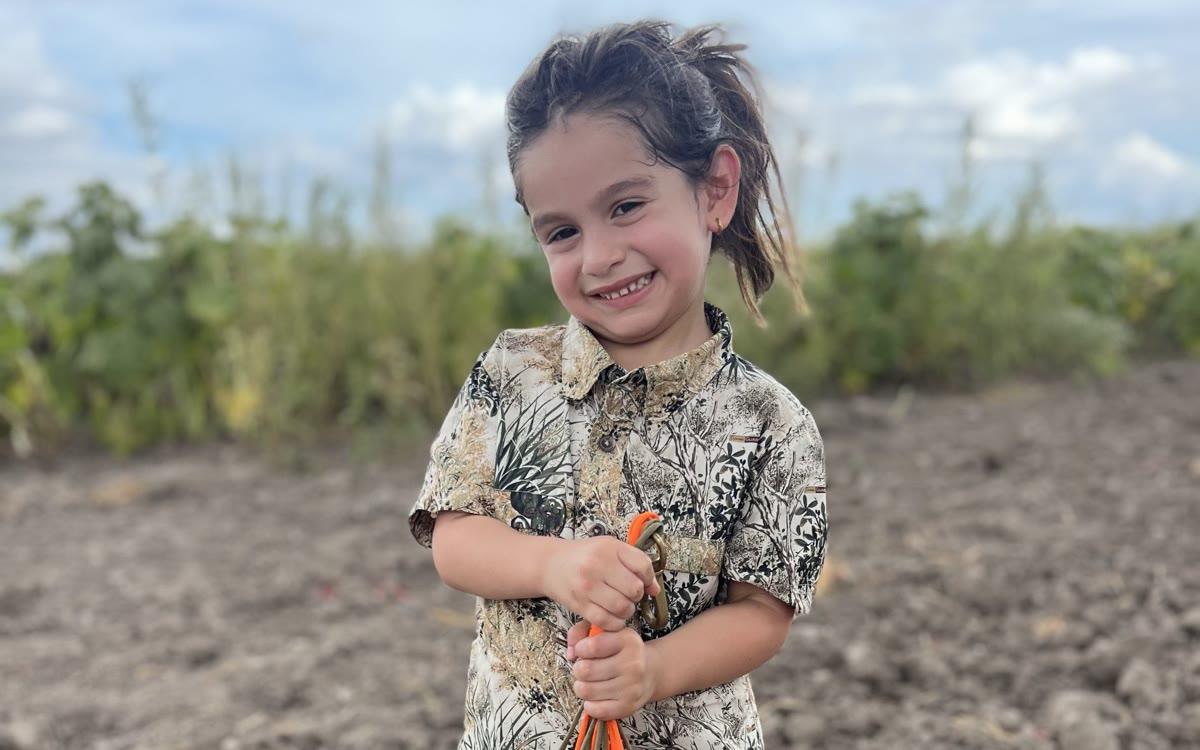
What do I need to bring on a guided dove hunt?
Bring a shotgun (12 or 20 gauge is ideal), plenty of shells — first-timers should plan on three to four boxes — eye and ear protection, a folding stool or bucket, and clothing that blends into a September field. A small cooler with water matters more than people expect; early September in the Valley is hot.
You'll also need a Texas hunting license with the Migratory Game Bird Endorsement and HIP certification, which takes a few minutes online or at any license vendor. That's the whole list. We handle everything else: the field, the scouting, where you set up, and the bird-cleaning logistics afterward.
Is a dove hunt a good first hunt for kids and groups?
It's the best one. Dove hunting is social — everyone lines the same field, the action comes to you, and there's constant shooting, coaching, and trash talk between volleys. Nobody sits alone in a blind trying to stay silent for three hours.
That's why we built our hunts for groups, families, and first-timers from day one. Corporate outings, a kid's first hunt, a bachelor party that wants to burn some shells — the format flexes, and a well-managed field with steady flights keeps beginners engaged in a way slow hunts never will.
When should a first-timer book?
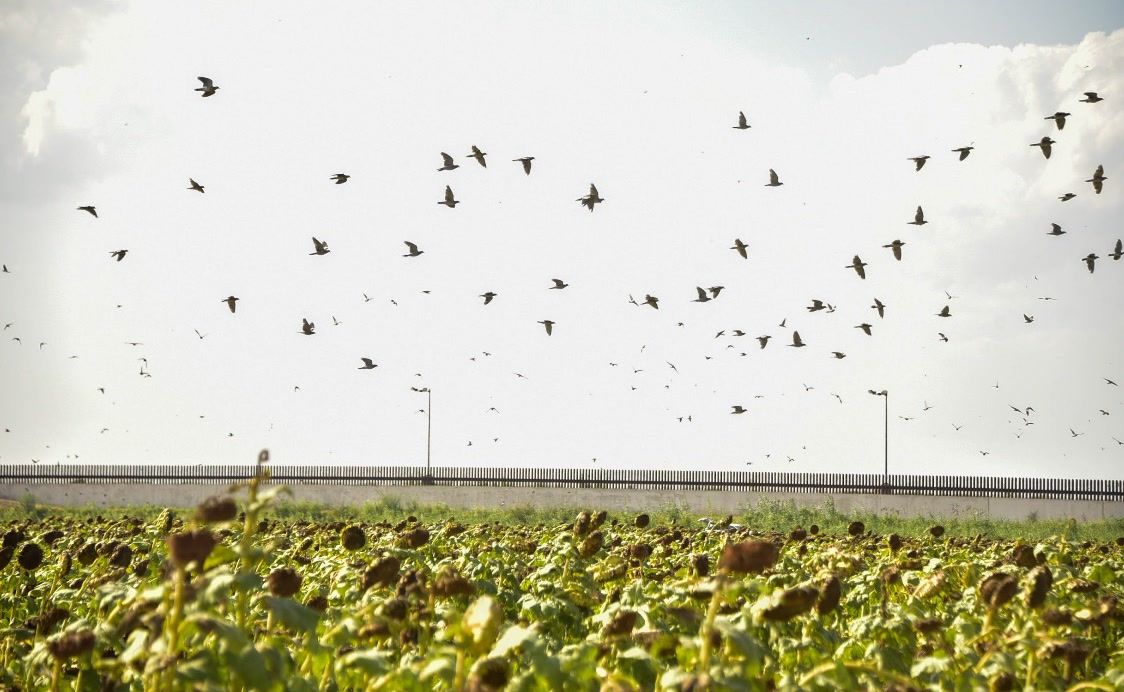
Book the opener if you can. The first split runs September 1 through October 25, and the early-September window is when the white-wing flights are heaviest and the action is most forgiving — more birds means more chances, and more chances is exactly what a new shooter needs.
Morning hunts start a half hour before sunrise and usually wrap by mid-morning; evening hunts run the last few hours before sunset. Either works for a first hunt. Pick the one that fits your group and we'll build the day around it.
Ready to see it for yourself? Book a hunt or check the 2026 season dates.