Mac's Dove Hunts
Know your birds

Dove Species of the Valley

South Texas is one of the few places you can find white-winged, mourning, and white-tipped dove in the same fields. Here's how to tell them apart.

The Rio Grande Valley is home to three legal dove species — the white-winged dove, mourning dove, and white-tipped dove — plus two unprotected birds, the Eurasian collared-dove and rock pigeon. The white-winged dove is the signature bird of South Texas, flocking into Valley sunflower fields by the thousands each fall. Below is how to tell each one apart before you book a hunt.

Legal game

Game species

White-winged Dove

Zenaida asiatica

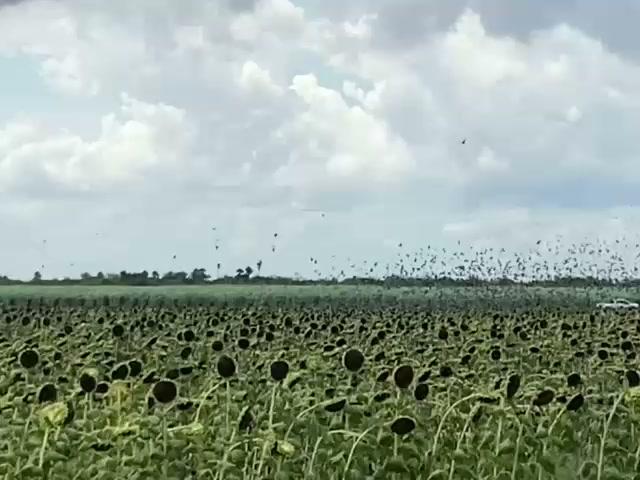
The signature bird of South Texas. White-wings flock heavily into Valley sunflower fields in late summer and early fall, and their concentrations around the Rio Grande Valley are among the best in North America. Larger and chunkier than mourning dove, they fly fast and in numbers.

How to identify

  • Bold white wing bar visible in flight
  • Squared tail with white corners
  • Blue eye-ring and red eyes up close
  • Plump, gray-brown body

Mourning Dove

Zenaida macroura

The most widespread game bird in the country and a Valley staple. Mourning dove are slimmer and faster than white-wings, with a darting, acrobatic flight that challenges every wingshooter. They hold in the area through both season splits.

How to identify

  • Slender body with a long, pointed tail
  • Soft tan-gray coloring with black wing spots
  • Whistling wingbeats on takeoff
  • Fast, twisting flight

White-tipped Dove

Leptotila verreauxi

A South Texas specialty at the northern edge of its range. White-tipped (formerly white-fronted) dove are ground-loving birds of the brush country. They count toward the daily bag, but with a strict sub-limit — no more than 2 per day.

How to identify

  • Large, rounded tail with white tips
  • Rust-colored wing linings in flight
  • Pale forehead and heavier build
  • Tends to stay low near cover

No closed season

Unprotected species

These non-native birds have no closed season or bag limit in Texas. TPWD recommends leaving plumage on harvested birds for identification.

Eurasian Collared-Dove

Streptopelia decaocto

An introduced, non-native species with no closed season or bag limit in Texas. Common around farmsteads and towns, collared-doves are larger and paler than native dove. TPWD recommends leaving plumage on harvested birds for identification.

How to identify

  • Narrow black half-collar on the back of the neck
  • Pale gray body, larger than a mourning dove
  • Squared tail, white underside
  • Black bill and red irises

Rock Dove (Rock Pigeon)

Columba livia

The common pigeon — also unprotected in Texas with no closed season or bag limit. Found around ranch structures, grain operations, and towns. As with collared-doves, leaving plumage on harvested birds aids identification.

How to identify

  • Large, plump body with a small head
  • Highly variable color: gray, brown, or white
  • Common around barns, silos, and cities

When you're ready

Put your ID skills to work

Book a hunt and get on the birds this season.